Waiting for others isn’t an option — our time to act is now. Together, we must take bold steps to advance research, drive progress, and create the change that will bring us closer to a cure for Leigh syndrome.
Donate
Bradlee, Never forgotten, USA

Zander, USA
Introduction
We, as families of children with rare diseases, take on roles as advocates, educators, and pioneers in research. We organize fundraisers, raise awareness, and collaborate closely with scientists to advance understanding and treatment. Our determination not only fuels our efforts but also inspires communities far and wide to join us in supporting research initiatives, all driven by the shared hope for breakthroughs that will change lives.
Gene Therapy
This groundbreaking approach aims to treat the root cause of genetic diseases instead of just treating the symptoms
- A healthy copy of the faulty gene is inserted into a virus that has been stripped of its own DNA
- Trillions of the modified viruses are delivered into the spinal fluid of the patient
- The viruses bind to cells in the brain and spinal cord, delivering the functional gene in an attempt to restore proper function
Cure Mito Foundation Gene Therapy Collaborations
- SURF1 — Steven Gray Lab UT Southwestern
- ECHS1 — Rachel Bailey Lab UT Southwestern
- MT-ATP6 — Labs of Qinglan Ling UMass, Michal Minczuk Cambridge, Alessandro Prigione Univ of Dusseldorf, & Steven Gray UTSW
- Don’t See Your Gene Listed? — Get In Touch With Us!
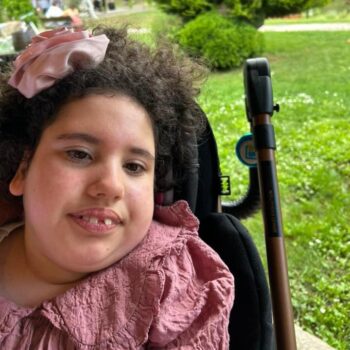
Nora, Romania
Learn more about our journey of developing SURF1 gene therapy in a blog post
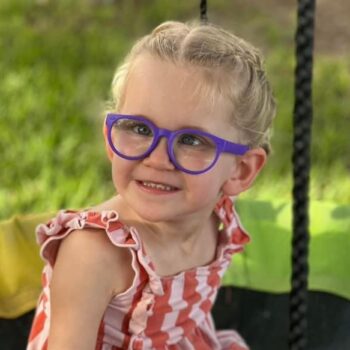
Millie, USA
Drug Repurposing
Aims to identify effective treatments for diseases by testing existing drugs for new therapeutic uses
- Potential treatment options while research for curative therapies continue
- Existing drugs are evaluated by looking at possible shared disease mechanisms
- Screening of drugs to measure disease rescue in deficient cells or models
- Cheaper and faster than traditional development and may utilize machine learning
Cure Mito is actively exploring this approach to address specific gene variations associated with Leigh syndrome. By repurposing drugs already approved for other conditions, we hope to accelerate the development of treatments that can significantly impact patients’ lives. We invite collaboration from researchers, clinicians, and industry partners to expand this vital research and provide much-needed support to the Leigh syndrome community.
Learn more about drug repurposing in a blog post.
225,000
Cure Mito-Funded Drug Repurposing Projects to Date
Cure Mito Foundation Drug Repurposing Gene Projects
- SURF1, ECHS1, MT-ATP6
- Don’t See Your Gene Listed? — Get In Touch With Us!
Mitochondria Transfer & Transplantation
An emerging approach that involves administering healthy mitochondria directly into cells or the body attempting to improve symptoms
Early studies in both patients and mouse models have shown promising results—such as improved strength, reduced symptoms, and longer survival—suggesting this therapy could one day benefit people with conditions like Leigh syndrome. Cure Mito Foundation is proud to fund research that moves this promising treatment closer to helping patients.
140,000
We are proud to support the Jonathan Brestoff Lab at Washington University in St. Louis with a gift for a study that will determine the effects of in vitro mitochondria transplantation in patient-derived fibroblasts.
Cure Mito Foundation Mitochondria Transfer & Transplantation Genes
- SURF1, ECHS1, MT-ATP6, C12orf65, FBXL4

Emery, USA
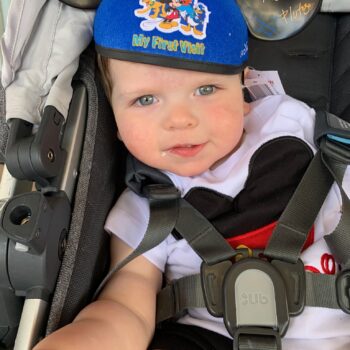
Maddox, Never Forgotten, USA
Microbiome Study
Exploring the connection between the gut microbiome and Leigh syndrome
The gut microbiome is made up of trillions of microorganisms that play a vital role in digestion, immune regulation, brain function, and overall health. Imbalances in this microbial community — known as dysbiosis — have been linked to a wide range of diseases, including neurological and metabolic disorders. Cure Mito is partnering with Dr. Ibrahim Elsharkawi from The Icahn School of Medicine at Mount Sinai on a study examining how different Leigh syndrome gene mutations influence microbiome diversity, with the goal of uncovering how mitochondrial function and gut health may be linked.
Cure Mito Foundation Microbiome Study Genes
- SURF1, ECHS1, MT-ATP6
Make a Donation
Your support can help us accelerate the discovery of a cure and bring hope to countless families affected by Leigh syndrome. Together, we can drive groundbreaking research, fund innovative treatments, and move closer to a future where a cure is within reach.

Will, USA

Raquel, Mexico
Create a Campaign
Families from around the world are partnering with Cure Mito Foundation to raise funds for mitochondrial disease research programs that get us closer to treatments or cures for our children.
Please email info@curemito.org if you would like information about starting a fund in honor or memory of your loved one.
Contact Us
We're in this together

Partners







Testimonials
Patients are crucial to successful drug development, because it is individual patients, not diagnoses, who respond to treatments. Parent-led foundations like Cure Mito are the essential patient-centric catalysts for researchers, industry, and regulators to collaboratively work hand-in-hand with patients to truly address patient
- Richard Novak, PhDCEO and Co-Founder, Unravel Biosciences
needs.
My journey on mitochondrial diseases started with Cure Mito. Their kids give me an opportunity to be part of this team to use my scientific knowledge and curiosity to find a gene therapy treatment. Their determination and dedication inspire me to continue this journey by training young scientists, making discoveries, and raising awareness.
- Qinglan Ling, PhDAssistant Professor, UMass Chan Medical School
Contact Us
Collaborator List
-
- MT-ATP6 — Qinglan Ling Lab UMass
- MT-ATP6 — Michal Minczuk Lab Cambridge
- MT-ATP6 — Alessandro Prigione Lab Univ of Dusseldorf
- MT-ATP6 — Steven Gray Lab UT Southwestern
- MT-ATP6 — Jonathan Brestoff Lab Washington University in St. Louis
- MT-ATP6 — Ibrahim Elsharkawi The Icahn School of Medicine at Mount Sinai
Frequently Asked Questions (FAQ)
What is the goal of Cure Mito Foundation’s research efforts?
Cure Mito Foundation aims to accelerate research that improves understanding, treatment, and potential cures for mitochondrial diseases such as Leigh syndrome. The organization collaborates with scientists, supports innovative studies, and engages families and communities to drive progress.
How do families contribute to mitochondrial disease research?
Families play an important role by raising awareness, organizing fundraisers, advocating for research, and collaborating with scientists. Their efforts help generate funding and momentum for new scientific discoveries.
What is gene therapy and how could it help Leigh syndrome and mitochondrial disease?
Gene therapy is a treatment approach that targets the root cause of genetic diseases. A healthy copy of a faulty gene is inserted into a modified virus that delivers the gene to cells in the brain and spinal cord, with the goal of restoring normal cellular function.
Which genes are currently involved in Cure Mito’s gene therapy collaborations?
Cure Mito Foundation is currently supporting research focused on several genes linked to Leigh syndrome, including SURF1, ECHS1, and MT-ATP6, through collaborations with research labs such as those at UT Southwestern, UMass, Cambridge, and the University of Düsseldorf.
What is drug repurposing and why is it important?
Drug repurposing involves testing existing medications that are already approved for other conditions to determine whether they could also treat mitochondrial diseases. This approach can be faster and less expensive than developing entirely new drugs.
How is Cure Mito using drug repurposing to support treatment development?
Cure Mito is funding research that screens existing drugs to see whether they can restore cellular function in models of mitochondrial disease. This work focuses on genes such as SURF1, ECHS1, and MT-ATP6 and aims to accelerate treatment options for patients.
What is mitochondria transfer or transplantation therapy?
Mitochondria transfer is an emerging therapy that involves delivering healthy mitochondria into cells or the body to help improve cellular energy production and reduce disease symptoms.
What progress has been made in mitochondria transplantation research?
Early studies in mouse models have shown promising outcomes such as improved strength, reduced symptoms, and increased survival. Cure Mito is funding research to explore how this approach may benefit people with conditions like Leigh syndrome.
Which genes are being studied in mitochondria transfer research funded by Cure Mito?
Current research includes genes such as SURF1, ECHS1, MT-ATP6, C12orf65, and FBXL4.
What is the microbiome study supported by Cure Mito?
Cure Mito is supporting a study examining how different Leigh syndrome gene mutations affect the gut microbiome, which consists of trillions of microorganisms that influence digestion, immunity, brain function, and overall health.
Who is leading the microbiome research project?
The study is being conducted in partnership with Dr. Ibrahim Elsharkawi at the Icahn School of Medicine at Mount Sinai.
Which genes are included in the microbiome research study?
The microbiome study focuses on patients with mutations in SURF1, ECHS1, and MT-ATP6.
How can people support Cure Mito’s research initiatives?
Individuals can support Cure Mito by donating, starting fundraising campaigns, or partnering with the foundation to raise awareness and funds for mitochondrial disease research.
How can families start a fundraising campaign with Cure Mito?
Families interested in launching a campaign or creating a fund in honor or memory of a loved one can contact Cure Mito Foundation directly at info@curemito.org.
What impact can donations make?
Donations help fund groundbreaking research, support innovative treatment development, and bring hope to families affected by Leigh syndrome and other mitochondrial diseases.