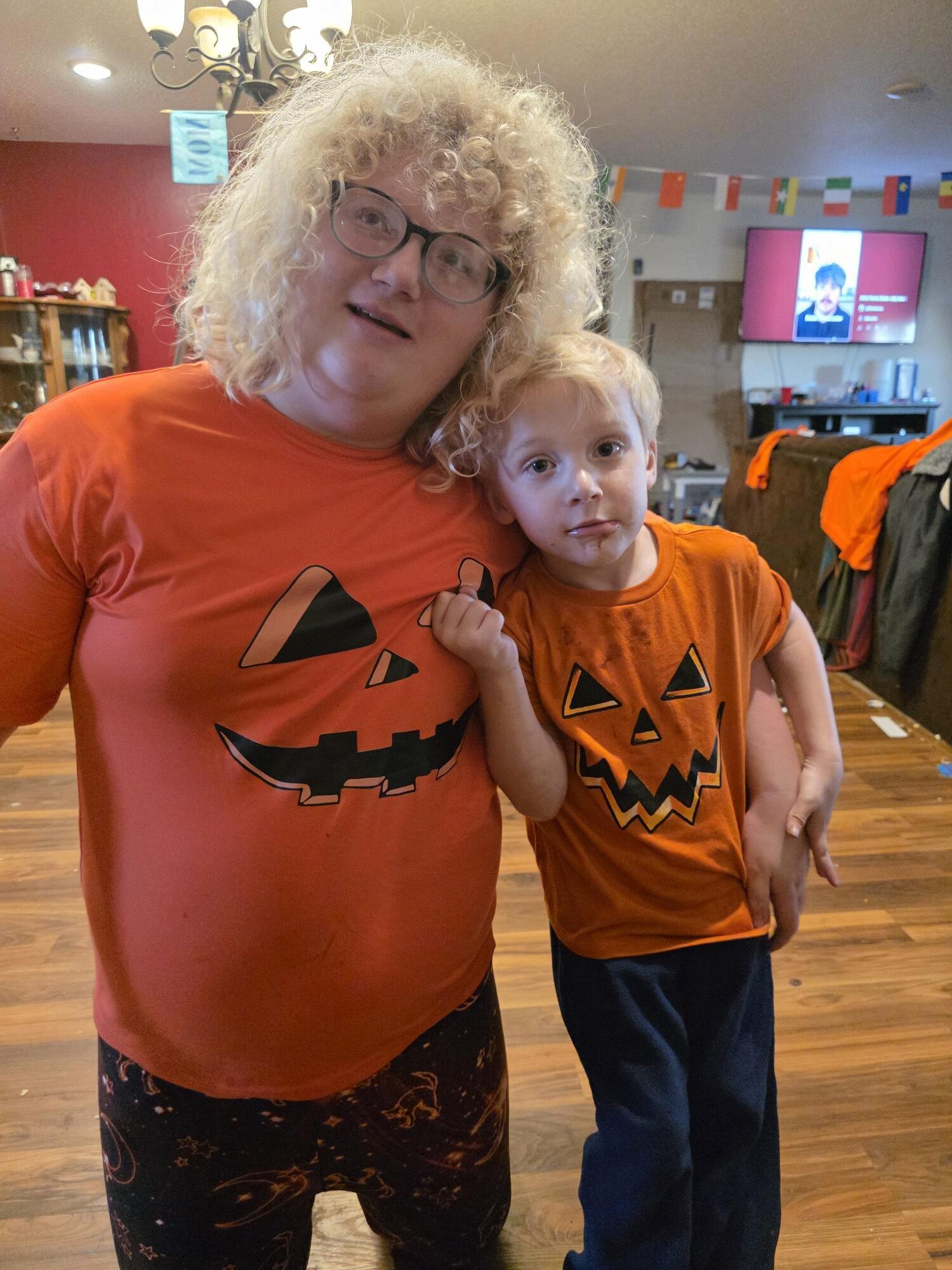
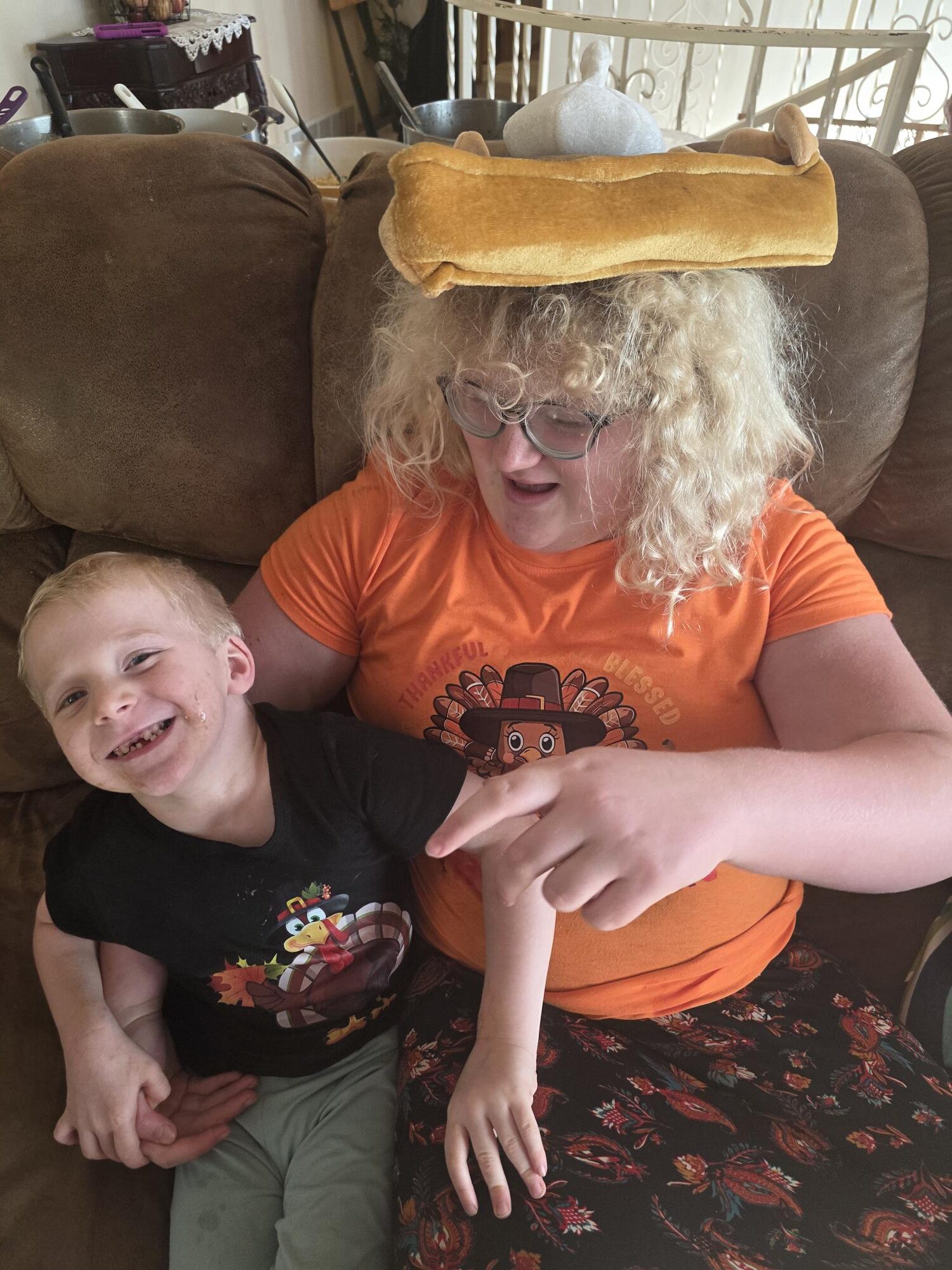
The first thing Anna wants people to know about her son Richie is not his diagnosis. She wants them to know that he is joyful, he loves school, and he’s a social butterfly who lights up when he sees his sisters. “He is in many ways just a typical four year old boy. He loves spending time with his sisters. He’s very happy. He’s very easy going, and he just really does have a joy for life. He loves balls and cars,” she says.
Richie is the baby of the family, and everyone knows it. His sisters hover over him with fierce affection. “They’re eleven, nine, and six, so they’re little mother hens,” Anna laughs. “They sometimes like to dress him up and call him ‘Rich-a-rina’.” If Richie even starts to pout, the girls stop what they are doing and tend to their little brother. They adore him, and he adores them right back.

Early on, Anna noticed small things about Richie that did not quite line up. “He met all of his milestones and everything was going as it should until he started walking around a year [old],” she recalls. “He started walking on his tippy toes. By two, he had a speech delay, but there was no indication that anything was severe. His diet was fine, his weight was good, but his balance was really off.” At the time, there was no clear reason to panic, just questions that lingered. “All the providers told us he would grow out of it,” Anna remembers. But still, they kept seeing little things that didn’t feel quite right.
“So finally, I asked for a referral. The doctor watched Richie walk and said, ‘I think it’s cerebral palsy.’ I called my husband crying.” An MRI was ordered. “They saw the brain damage to the basal ganglia,” she explains. Then, everything collapsed at once. Two weeks before they received their diagnosis, Anna’s mother had passed away. “By the time we got the results, my husband had a minor heart attack,” she adds. The genetics doctor walked into her husband’s hospital room and delivered the news at his bedside. Their two-year-old son had Leigh syndrome.
While their world came crumbling down, grief, shock, and fear didn’t put a pause on their responsibilities. Richie’s diagnosis meant daily therapies, endless appointments, strict routines, vitamins, dietary limits, and constant vigilance. “You just keep going,” Anna says. “For your other kids too. As moms, we almost don’t have a choice, right?”
After being hospitalized with strep and the flu, Richie lost his ability to walk. “After long periods of intensive therapy, he got it back again. He laughed and laughed when he took those first independent steps because he knew it was quite an achievement, and we made a big deal out of it, because it was a big deal,” Anna shares. “Celebrating as family when those things happen has been kind of our shining light to get through.”
For Richie, “joy comes from being around other people. He’s really got the cutest smile. All he has to do is either pout out his upper lip, act like he’s gonna cry, or smile. He’s got charm.”
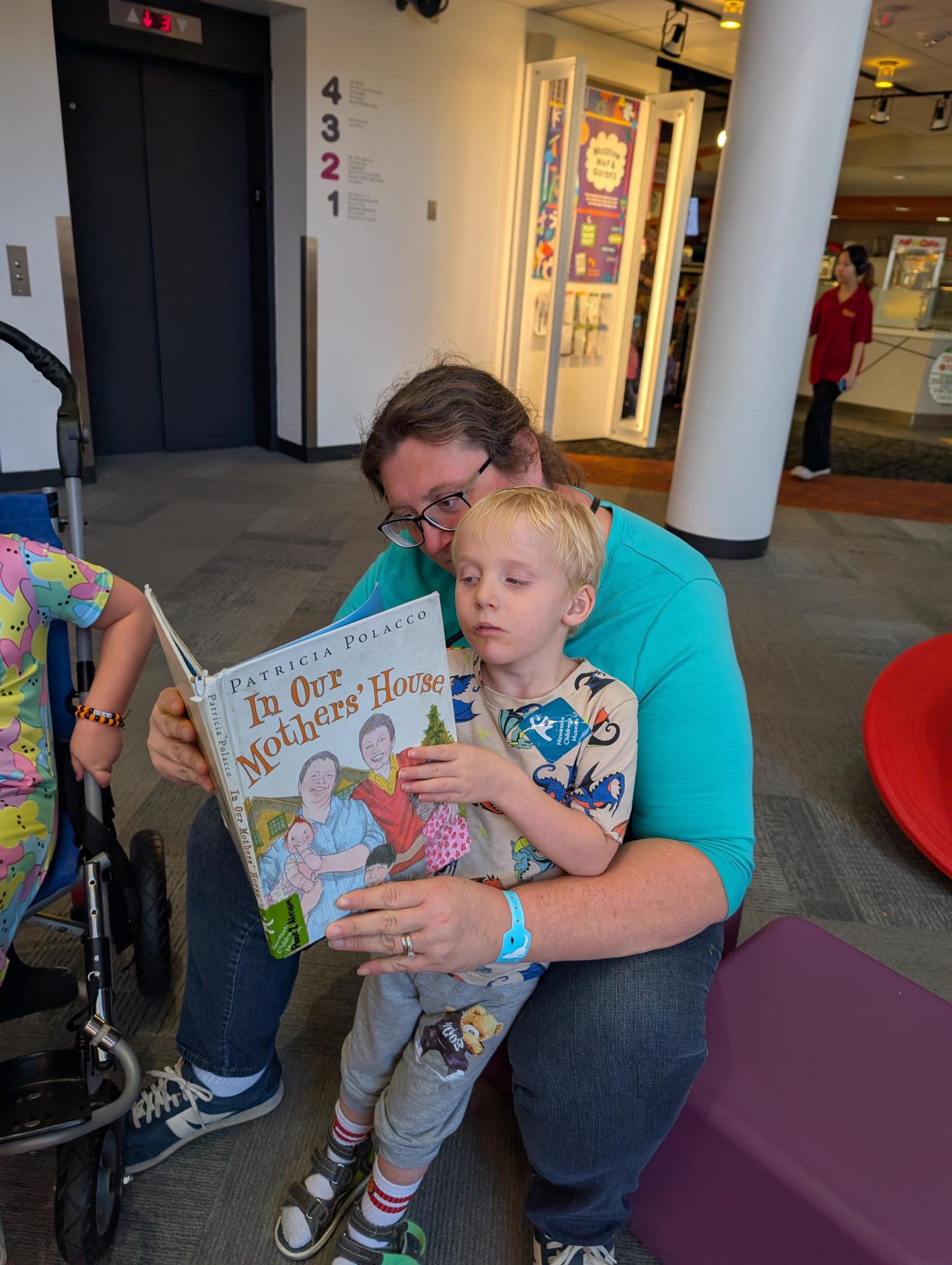
Anna and her husband carry the weight of Richie’s care every single day. They both work full-time. They are also full-time caregivers. They live in a rural town of about 500 people in South Dakota, where there is no access to skilled nursing care. Richie cannot safely attend daycare, and unskilled in-home childcare is not an option. “It’s really just us,” Anna says. “We don’t have an extensive support system at all, but we’re making it work.” They travel six hours every Wednesday for intensive therapies. Once a week, they drive another two hours for yet another weekly appointment. “It feels like we’re running a race, but really we’re running a marathon. And there’s no end.”
Anna shares her experiences as much as possible with newly diagnosed parents because she is so grateful for the network of ECHS1D parents that have shared their experiences with her. She remembers the questions she asked through tears after the initial diagnosis: “Will my child walk? Will my child talk? Will he ever be potty trained?”
Anna explains, “This was all completely new to us when we received our diagnosis, so we relied heavily on learning from other parents about what had worked for them. Now, that we are 2.5 years out from diagnosis, hopefully we can share the knowledge we’ve gained from our journey so far with other families that are newly diagnosed.”
Anna talks about something many other Leigh syndrome families may relate to. “Within Leigh syndrome, and even within ECHS1D, the symptoms and the quality of life is so varying. So when [we] see someone that has a similar presentation to Richie and is doing well, it gives [us] hope. Other people have been there and blazed the path before [us], and had success. There have been so many times other parents have shared what equipment they are using, medication, therapies, diet, etc. so we’ve tried those things too.”

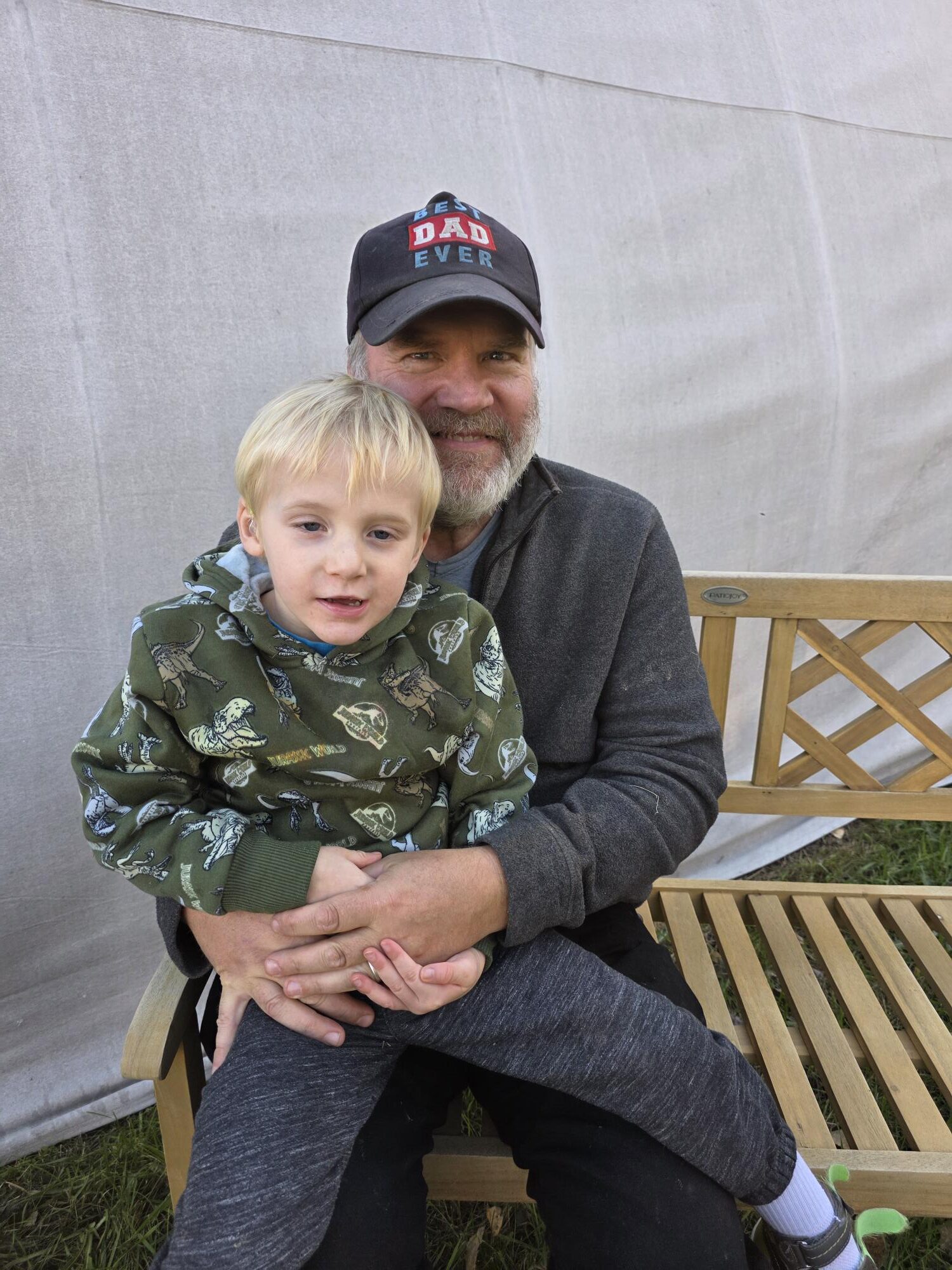
Anna and her husband have learned to balance their roles as parents, caregivers, and advocates. “The other challenge is that one of us always has to stay behind with our other kids, so it’s always just me in the ER,” Anna shares with emotion. “You don’t have another parent to lean on.”
Both Anna and her husband have become experts in Richie’s rare disease, as many rare disease parents do. “I think in some ways it’s empowering (though initially it was terrifying) when the internists or generalists come in and say, ‘tell us what to do.’ I’m the only one in the room that can put the pieces of the puzzle together.”
If Anna could say just one thing to families standing at the beginning of this road, it would be this: “Give yourself a little bit of grace along the way. [Leigh syndrome] will change your world, but that’s okay. You are not alone, and your love matters more than anything.”
As for Richie, he and his family will continue to celebrate each small win and continue to search for a miracle and a cure. Because with Leigh syndrome, the little things become the biggest things.