Seeking A Cure for ECHS1 Deficiency
Waiting for others isn’t an option — our time to act is now. Together, we must take bold steps to advance research, drive progress, and create the change that will bring us closer to a cure.
Donate To ECHS1
Also Known As: ECHS1D / SCEH Deficiency / Crotonase Deficiency /
Mitochondrial Short Chain Enoyl-CoA Hydratase Deficiency /
Enoyl-CoA Hydratase Short Chain 1 (ECHS1)
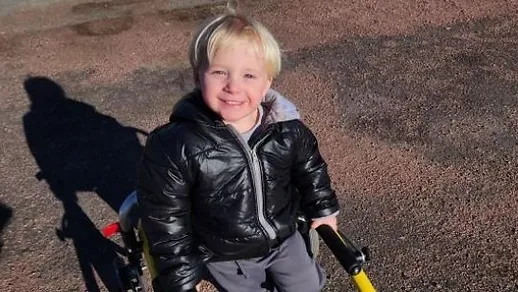
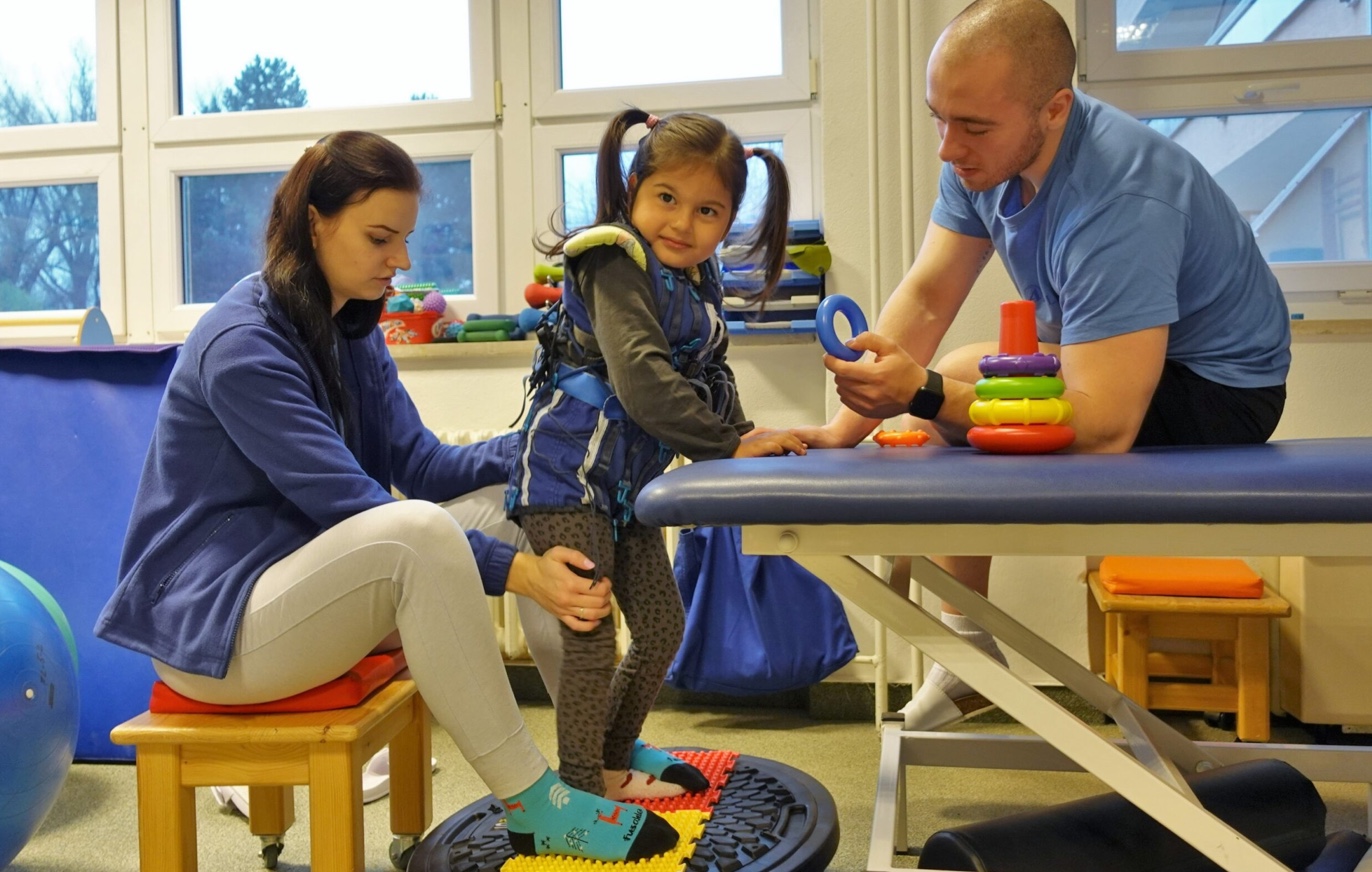
Richie, USA
Introduction
We, as families of children with rare diseases, take on roles as advocates, educators, and pioneers in research. We organize fundraisers, raise awareness, and collaborate closely with scientists to advance understanding and treatment. Our determination not only fuels our efforts but also inspires communities far and wide to join us in supporting research initiatives, all driven by the shared hope for breakthroughs that will change lives.
Families from around the world are partnering with Cure Mito Foundation to raise funds that get us closer to a treatment or cure for our children.
Gene Therapy Process
Gene therapy is a revolutionary approach to treating genetic diseases, where a one-time treatment can provide a lifetime of benefits. Instead of treating just the symptoms, gene therapy fixes the disease at the source by replacing the defective gene with a healthy copy.

A healthy copy of the patient's defective gene is loaded into a virus that has been stripped of its own DNA.

Trillions of viruses, each containing a healthy copy of the gene, are injected into the patient's spinal fluid.

The viruses bind to cells in the patient's spinal cord and brain and deliver healthy gene's to the cell's nucleus.
Gene Therapy Program
ECHS1 Gene Therapy Program
The Cure Mito Foundation is working to collaborate on an ECHS1 AAV9 Gene Replacement Therapy. The therapy aims to deliver a functional ECHS1 gene using AAV9 to restore mitochondrial function. This innovative treatment offers hope for improving outcomes in ECHS1 Deficiency patients.
For more information or to support the cause, contact bill@curemito.org.
ECHS1 Preclinical Research - Rachel Bailey Lab at UT Southwestern (UTSW)
Donate To ECHS1
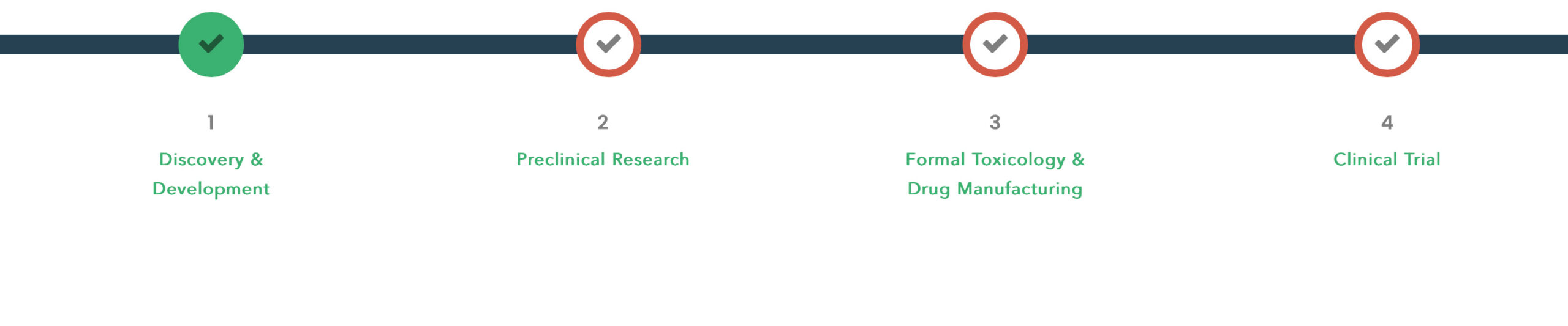
The process begins with identifying a target molecule related to a disease. Scientists then develop a compound to interact with the molecule and modify its function.
Preclinical research involves studying drugs or treatments for diseases before human testing, including investigating disease causes and testing treatments in animals.
Toxicology studies evaluate drug safety and toxicity before human trials.
Clinical trials are investigations conducted on humans to determine the safety of gene therapy approaches for individuals by healthcare practitioners.
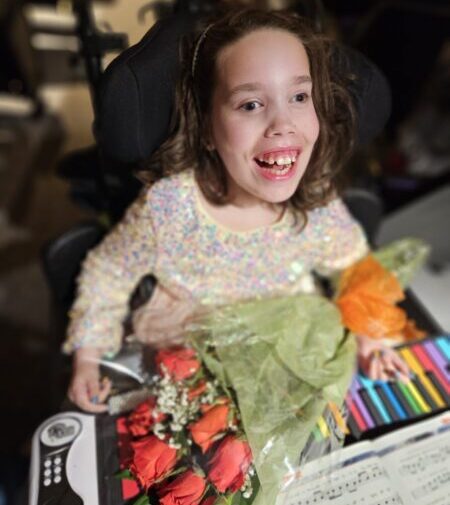
Lila, Never Forgotten, USA
Drug Repurposing
Aims to identify effective treatments for ECHS1 Deficiency by testing existing drugs for new therapeutic uses
- Potential treatment options while research for curative therapies continue
- Existing drugs are evaluated by looking at possible shared disease mechanisms
- Screening of drugs to measure disease rescue in ECHS1 deficient cells or models
- Cheaper and faster than traditional development and may utilize machine learning
Cure Mito is actively exploring this approach to address ECHS1 Deficiency. By repurposing drugs already approved for other conditions, we hope to accelerate the development of treatments that can significantly impact patients’ lives. We invite collaboration from researchers, clinicians, and industry partners to expand this vital research and provide much-needed support to the ECHS1 Deficiency community.
225,000
All Cure Mito-Funded Drug Repurposing Projects to Date
Mitochondria Transfer & Transplantation
An emerging approach that involves administering healthy mitochondria directly into cells or the body attempting to improve symptoms
Early studies in both patients and mouse models have shown promising results—such as improved strength, reduced symptoms, and longer survival—suggesting this therapy could one day benefit people with conditions like Leigh syndrome. Cure Mito Foundation is proud to fund research that moves this promising treatment closer to helping patients.
140,000
We are proud to support the Jonathan Brestoff Lab at Washington University in St. Louis with a gift for a study that will determine the effects of in vitro mitochondria transplantation in ECHS1 Deficiency patient-derived fibroblasts.

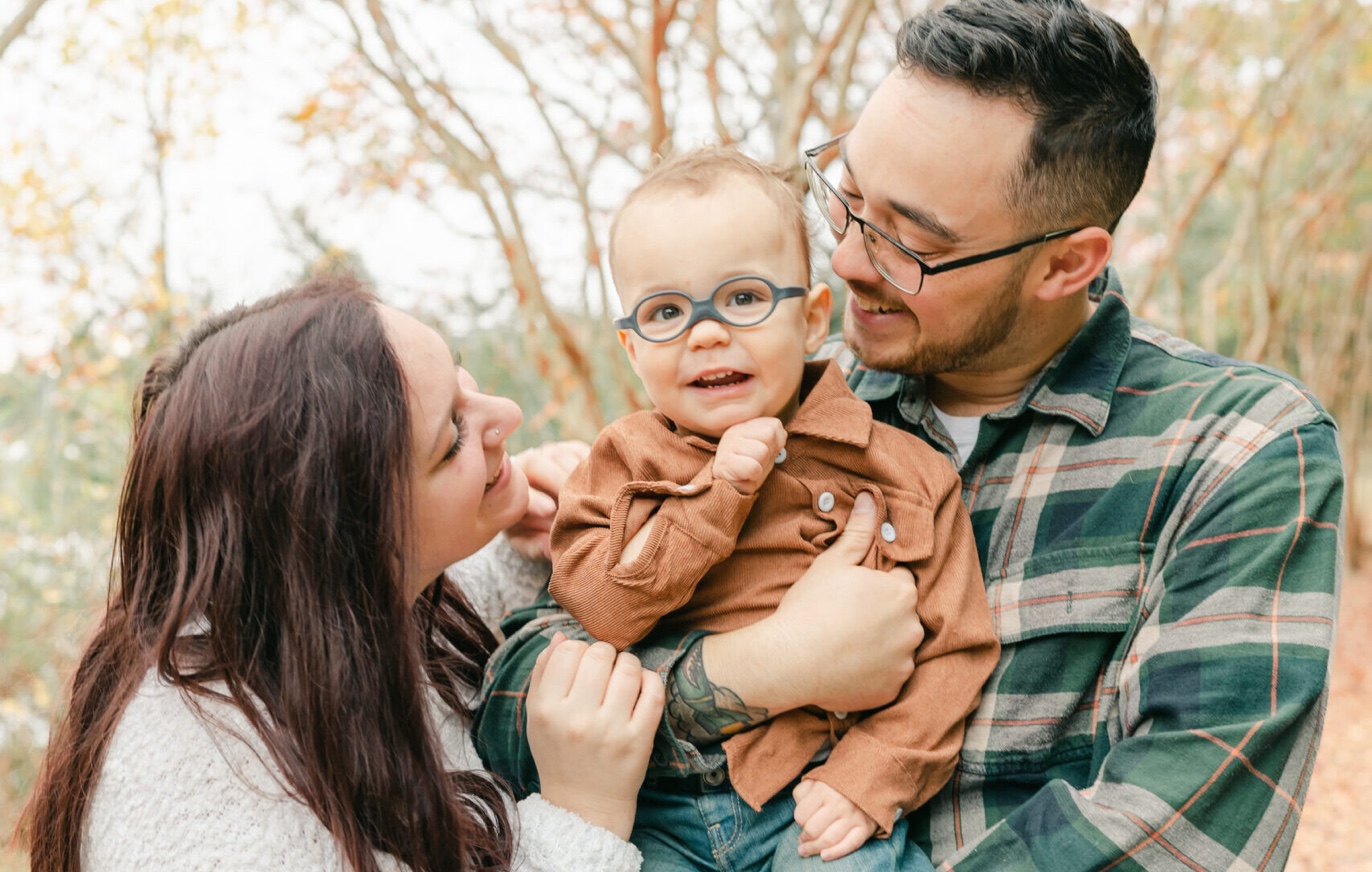
Raquel, Mexico
Lila, Never Forgotten, USA
Microbiome Study
Exploring the connection between the gut microbiome and ECHS1 Deficiency
The gut microbiome is made up of trillions of microorganisms that play a vital role in digestion, immune regulation, brain function, and overall health. Imbalances in this microbial community — known as dysbiosis — have been linked to a wide range of diseases, including neurological and metabolic disorders. Cure Mito is partnering with Dr. Ibrahim Elsharkawi from The Icahn School of Medicine at Mount Sinai on a study examining how different Leigh syndrome gene mutations influence microbiome diversity, with the goal of uncovering how mitochondrial function and gut health may be linked.
Interested in more information?
Make a Donation
Your support can help us accelerate the discovery of a cure and bring hope to families affected by ECHS1 Deficiency. Together, we can drive groundbreaking research, fund innovative treatments, and move closer to a future where a cure is within reach.
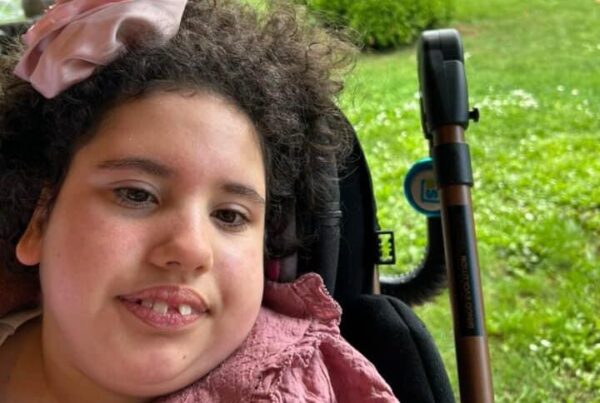
Nora, Romania
ECHS1 Fundraising Village
If you are interested in supporting a fund which honors a child or family member affected by ECHS1 Deficiency, please click the “Donate Now” button associated with one of the campaigns below.
You can learn more about each of the campaigns by clicking on the respective team name.
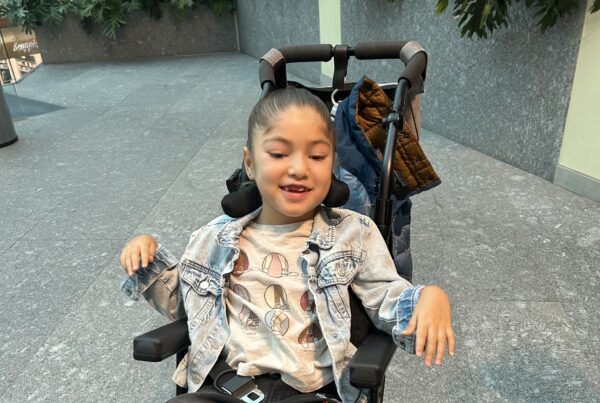
Raquel, Mexico
Create a Campaign
Please email bill@curemito.org if you would like information about starting a fund in honor or memory of your loved one.
We're in this together

The Bailey Lab Project and Team At Work
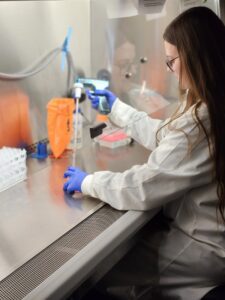
The Bailey laboratory is focused on understanding disease mechanisms and advancing gene-based therapies for ECHS1 deficiency and related mitochondrial disorders.
Using patient-informed cellular models and a newly developed mouse model that captures key features of the human disease, our team is working to define how loss of functional ECHS1 contributes to neurodegeneration and epilepsy. In parallel, we are developing and testing AAV-mediated gene replacement strategies with the goal of restoring ECHS1 function and identifying measurable markers of therapeutic benefit. This work is designed to directly support future translational and clinical efforts for children affected by ECHS1 deficiency.
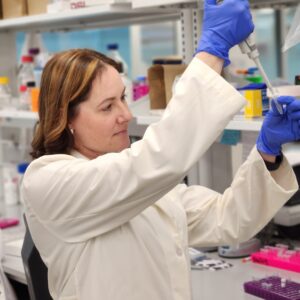
Check back soon for more updates!
ECHS1 Papers & Resources
ECHS1 deficiency and its biochemical and clinical phenotype
Can Ozlu, Priya Chelliah, Hamza Dahshi, Daniel Horton, Veronica B. Edgar, Souad Messahel, Saima Kayani (2022)
Read PaperNeurological, metabolic and inflammatory phenotypes in a mouse model of ECHS1 deficiency
Meghan M. Eller, Aamir R. Zuberi, Xiaorong Fu, Alina P. Montalbano, Felix Nitschke, Shawn C. Burgess, Cathleen M. Lutz, Rachel M. Bailey (2025)
Read PaperECHS1 mutations in Leigh disease: a new inborn error of metabolism affecting valine metabolism
Heidi Peters, Nicole Buck, Ronald Wanders, Jos Ruiter, Hans Waterham, Janet Koster, Joy Yaplito-Lee, Sacha Ferdinandusse, James Pitt (2014)
Read PaperClinical, biochemical, and genetic features of four patients with short-chain enoyl-CoA hydratase (ECHS1) deficiency
Patricia E. Fitzsimons, Charlotte L. Alston, Penelope E. Bonnen, Joanne Hughes, Ellen Crushell, Michael T. Geraghty, Martine Tetreault, Peter O'Reilly, Eilish Twomey, Yusra Sheikh, Richard Walsh, Hans R. Waterham, Sacha Ferdinandusse, Ronald J. A. Wanders, Robert W. Taylor, James J. Pitt, Philip D. Mayne (2018)
Read PaperECHS1 disease in two unrelated families of Samoan descent: Common variant ‐ rare disorder
Simon MT, Eftekharian SS, Ferdinandusse S, Tang S, Naseri T, Reupena MS, McGarvey ST, Minster RL, Weeks DE; Samoan Obesity, Lifestyle, and Genetic Adaptations (OLaGA) Study Group; Nguyen DD, Lee S, Ellsworth KA, Vaz FM, Dimmock D, Pitt J, Abdenur (2020/2021)
Read PaperExploring triheptanoin as treatment for short chain enoyl CoA hydratase deficiency
Engelstad K, Salazar R, Koenigsberger D, Stackowtiz E, Brodlie S, Brandabur M, De Vivo DC. (2021)
Read PaperMedical nutrition therapy in patients with HIBCH and ECHS1 defects: Clinical and biochemical response to low valine diet
Abdenur JE, Sowa M, Simon M, Steenari M, Skaar J, Eftekharian S, Chang R, Ferdinandusse S, Pitt J. (2020)
Read PaperPathogenic Biallelic Mutations in ECHS1 in a Case with Short-Chain Enoyl-CoA Hydratase (SCEH) Deficiency-Case Report and Literature Review
Muntean C, Tripon F, Bogliș A, Bănescu C. (2022)
Read PaperUnderstanding the role of OXPHOS dysfunction in the pathogenesis of ECHS1 deficiency
Harrison James Burgin, Matthew McKenzie (2020)
Read PaperMitochondrial Fatty Acid Oxidation Disorders Associated with Short-Chain Enoyl-CoA Hydratase (ECHS1) Deficiency
Sharpe, Alice J., and Matthew McKenzie. (2018)
Read PaperMetabolite studies in HIBCH and ECHS1 defects: Implications for screening
Heidi Peters, Sacha Ferdinandusse, Jos P. Ruiter, Ronald J.A. Wanders, Avihu Boneh,
James Pitt (2015)
Deficiency of ECHS1 causes mitochondrial encephalopathy with cardiac involvement
Tobias B. Haack, et. al (2015)
Read PaperClinical, biochemical and metabolic characterisation of a mild form of human short-chain enoyl-CoA hydratase deficiency: significance of increased N-acetyl-S-(2-arboxypropyl)cysteine excretion
Kenichiro Yamada, Kaori Aiba, Yasuyuki Kitaura, Yusuke Kondo, Noriko Nomura, Yuji Nakamura, Daisuke Fukushi, Kei Murayama, Yoshiharu Shimomura, James Pitt, Seiji Yamaguchi, Kenji Yokochi, Nobuaki Wakamatsu (2015)
Read PaperValine metabolites analysis in ECHS1 deficiency
Kuwajima M, Kojima K, Osaka H, Hamada Y, Jimbo E, Watanabe M, Aoki S, Sato-Shirai I, Ichimoto K, Fushimi T, Murayama K, Ohtake A, Kohda M, Kishita Y, Yatsuka Y, Uchino S, Mimaki M, Miyake N, Matsumoto N, Okazaki Y, Ogata T, Yamagata T, Muramatsu K. (2021)
Read PaperFurther delineation of short-chain enoyl-CoA hydratase deficiency in the Pacific population
Bernhardt I, Frajman LE, Ryder B, Andersen E, Wilson C, McKeown C, Anderson T, Coman D, Vincent AL, Buchanan C, Roxburgh R, Pitt J, De Hora M, Christodoulou J, Thorburn DR, Wilson F, Drake KM, Leask M, Yardley AM, Merriman T, Robertson S, Compton AG, Glamuzina E. (2024)
Read PaperClinical improvements after treatment with a low-valine and low-fat diet in a pediatric patient with enoyl-CoA hydratase, short chain 1 (ECHS1) deficiency
Pata S, Flores-Rojas K, Gil A, López-Laso E, Marti-Sánchez L, Baide-Mairena H, Pérez-Dueñas B, Gil-Campos M. (2022)
Read PaperStimulating Mitochondrial Biogenesis with Deoxyribonucleosides Increases Functional Capacity in ECHS1-Deficient Cells
Burgin HJ, Crameri JJ, Stojanovski D, Sanchez MIGL, Ziemann M, McKenzie M. (2022)
Read PaperDo You Have A Paper to Recommend?
Contact UsIncreased ketone levels as a key magnetic resonance spectroscopic findings during acute exacerbation in ECHS1-related Leigh syndrome
Murofushi Y, Ochiai K, Yasukochi M, Sano K, Ichimoto K, Murayama K, Okazaki Y, Omata T, Takanashi JI. (2024)
Read PaperCure Mito Research Partners