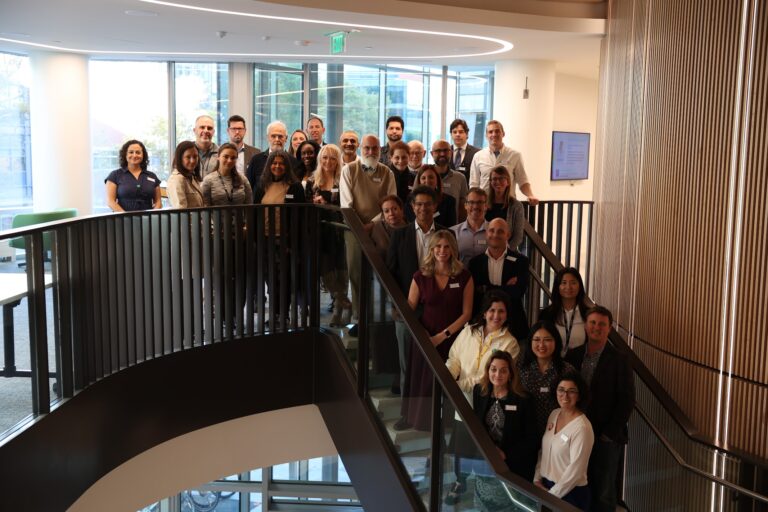
Recognizing the need for greater collaboration and exchange of ideas to accelerate progress toward treatments for Leigh syndrome, Cure Mito Foundation, in collaboration with Dr. Vamsi Mootha and the Broad Institute, organized Accelerating Cures and Treatments for Leigh Syndrome (ACT4LS). The workshop, funded by the Chan Zuckerberg Initiative (CZI), intentionally brought together not only experts in Leigh syndrome but also leading researchers and clinicians from related fields, along with families and a representative from the U.S. Food and Drug Administration (FDA). This approach aimed to bring fresh perspectives, encourage knowledge sharing, and identify new opportunities for collaboration.
Held on October 8–9, 2026, at the Broad Institute, the workshop focused on a shared question: How can we turn growing scientific knowledge into better care and treatments for Leigh syndrome?
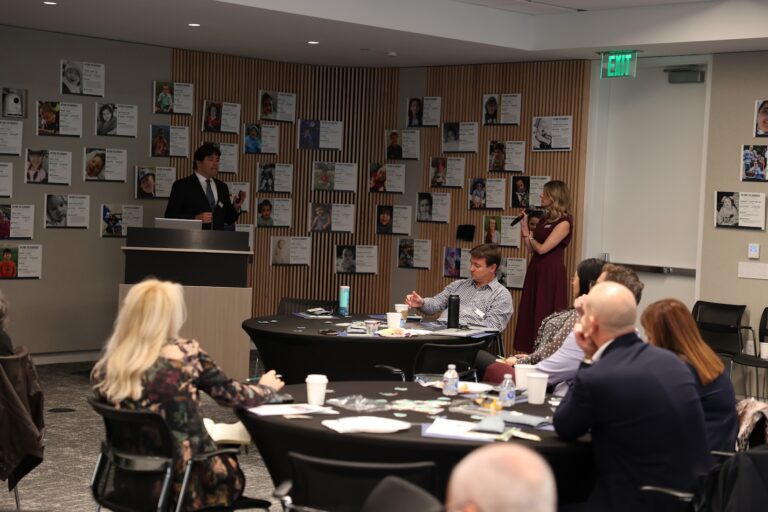
ACT4LS was designed to encourage meaningful dialogue rather than traditional scientific presentations. Talks were intentionally kept brief, with most of the time dedicated to open discussions where participants could exchange ideas, identify gaps and barriers, and explore opportunities to advance research and treatment development together.
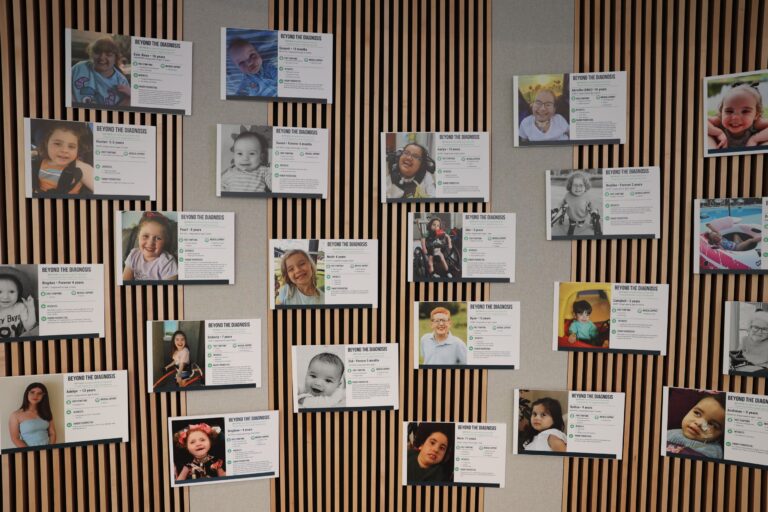
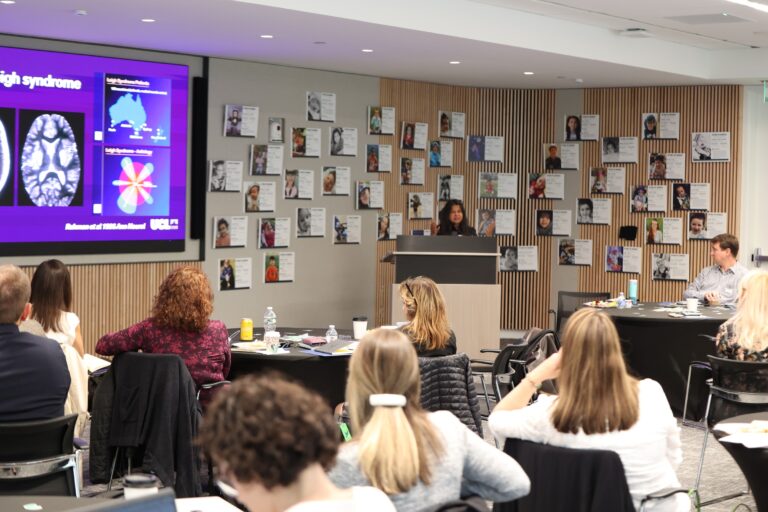
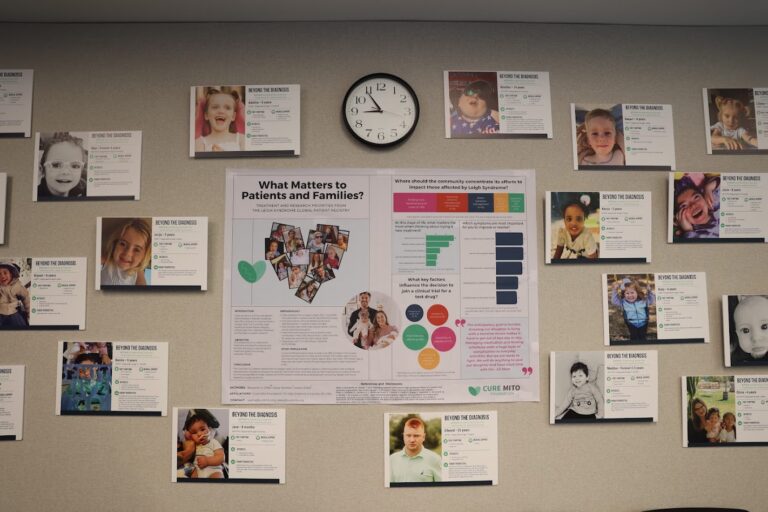
More than 100 photographs of children living with Leigh syndrome and those who have passed away lined the walls of the meeting room, serving as a powerful reminder of the people and families at the heart of these efforts.
Understanding Leigh Syndrome and Opportunities for Treatment
The scientific discussions began with the foundations of Leigh syndrome. Dr. Shamima Rahman reviewed the evolving understanding of the disease and its genetic causes, while Dr. Nicole Lake discussed the diversity of genes associated with Leigh syndrome and the challenges this creates for research.
Dr. Matthew Frosch presented findings from brain pathology, highlighting that neurons can remain relatively preserved even in areas affected by Leigh syndrome. Together with discussions led by Dr. Cesar Alves on brain imaging and the evolution of characteristic lesions, these findings raised important questions about whether some neurological changes might be reversible and whether treatment could prevent further damage.
Dr. Amy Goldstein highlighted how patterns of brain involvement seen on imaging can help distinguish different genetic and metabolic causes of Leigh syndrome, emphasizing the importance of connecting imaging findings with genetic diagnoses and clinical features to better understand the disease.
Dr. Grant Mitchell illustrated the variability of disease progression through examples of children with the same genetic mutation who experienced dramatically different outcomes. Participants discussed how infections, metabolic stress, developmental stages, and other factors may influence disease progression, and why understanding these differences is essential for developing treatments.
Researchers also explored why particular regions of the brain are especially vulnerable in Leigh syndrome. Dr. Andrea Gropman discussed how changing energy demands during brain development may contribute to this vulnerability, while Dr. Eric Shoubridge examined the molecular mechanisms underlying mitochondrial dysfunction.
These conversations highlighted how much remains to be understood about the relationship between genetic mutations, brain injury, and disease progression.
Exploring Promising Treatment Approaches
The workshop highlighted several approaches being investigated, from repurposing existing medications to developing gene therapies and entirely new treatment strategies.
Dr. Alessandro Prigione presented research on sildenafil, an existing medication being investigated for mitochondrial disease associated with MT-ATP6 mutations, including plans for a clinical trial. Dr. Matthew Demczko discussed lessons from a small clinical study of sirolimus (rapamycin) in children with Leigh syndrome, including challenges related to dosing, selecting outcome measures, and evaluating potential treatment benefits.
Gene therapy was another major focus. Dr. Steven Gray discussed advances in gene therapy development and the challenges of translating these approaches into clinical trials. Dr. Qinglan Ling presented research on gene replacement and mitochondrial gene-editing approaches, including work targeting SURF1 and MT-ATP6.
Dr. Dario Brunetti shared findings from a SURF1 pig model, including investigations of experimental treatments and prenatal gene therapy approaches. These discussions emphasized the importance of developing disease models that accurately reflect human disease and can help evaluate potential treatments before clinical trials.
Researchers also explored entirely new therapeutic strategies. Dr. Jonathan Brestoff presented research on mitochondrial transplantation, investigating whether transferring mitochondria into affected cells could improve mitochondrial function. Dr. Pilar Miranda discussed research investigating oxygen-related pathways and whether approaches that have shown benefits in animal models could eventually be translated into treatments.
While several approaches have produced encouraging findings in laboratory and animal studies, participants emphasized that rigorous research is still needed to establish their safety and effectiveness in patients.
Lumping vs. Splitting: A Central Challenge for Clinical Trials
A recurring theme, introduced by Dr. Vamsi Mootha in his opening remarks, was the challenge of “lumping vs. splitting” in Leigh syndrome research and clinical trial design – when should we study different genetic causes together and when should more targeted, gene-specific approaches be pursued?
With so many different genetic causes of Leigh syndrome, individual patient groups may be too small for traditional clinical trials. However, combining patients with different disease mechanisms or patterns of progression could make it difficult to determine whether a treatment is effective.
Throughout the workshop, researchers explored whether patients could be grouped based not only on their genetic mutations, but also on shared biological mechanisms, clinical characteristics, or how a particular treatment is expected to work.
Participants emphasized that there may not be a single approach that works for every treatment, and that a better understanding of disease biology and progression will be essential for designing successful clinical trials.
Participants also discussed how to measure outcomes that matter to families, such as communication, mobility, feeding, and everyday functioning. Families may observe meaningful improvements that are not adequately captured by traditional clinical assessments. Developing outcome measures that reflect these changes while providing reliable evidence of treatment effectiveness was identified as a critical priority.
Learning From Other Rare Diseases and Clinical Trials
An important part of the workshop was learning from experiences in other rare diseases.
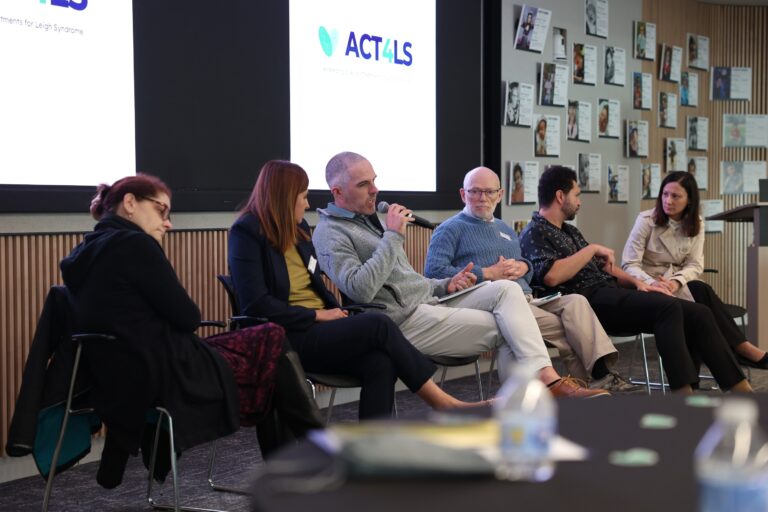
Jennifer Farmer of the Friedreich’s Ataxia Research Alliance (FARA) shared how years of investment in natural history research, clinical outcome measures, patient engagement, and collaboration with industry and regulators helped advance the development and eventual approval of a treatment for Friedreich’s ataxia. Her presentation provided an example of how patient organizations can help build the infrastructure needed to move promising therapies toward clinical trials.
John Patton, a clinical reviewer at the FDA, participated in discussions about the challenges of designing clinical trials for rare and genetically diverse diseases. Topics included selecting appropriate outcome measures, using natural history data to understand disease progression, and exploring innovative trial design elements to de-risk clinical trials.
He emphasized the importance of engaging with regulators early in treatment development, particularly when designing natural history studies and selecting clinical endpoints.
Dr. Dima Martini-Drew, a clinical development expert in rare diseases, highlighted how lessons from previous drug development challenges can strengthen trial readiness and inform future clinical trials in Leigh syndrome.
These discussions highlighted how lessons from other diseases could help the Leigh syndrome community avoid repeating past challenges and create more effective pathways toward clinical trials.
Connecting Research With Patients and Clinical Care
Clinicians shared their experiences caring for children with Leigh syndrome, discussing challenges such as movement disorders, feeding difficulties, seizures, respiratory complications, and episodes of metabolic deterioration.
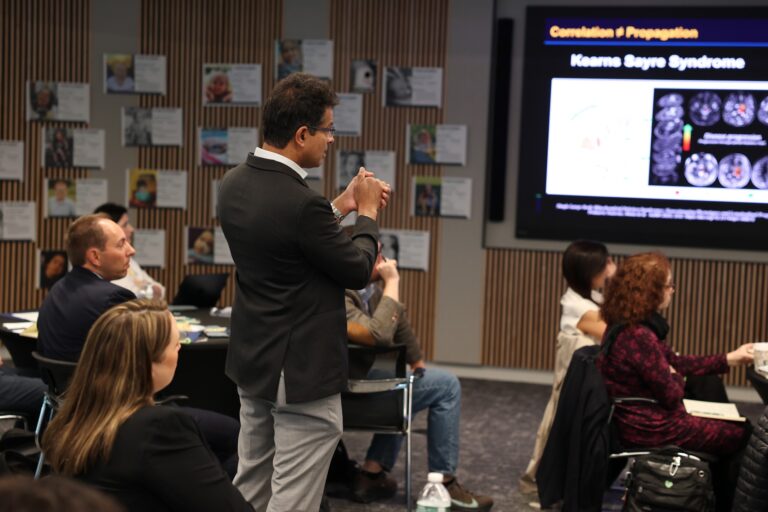
These conversations highlighted the importance of connecting laboratory discoveries with the realities of clinical care. Participants discussed how to better understand factors contributing to sudden deterioration, why some children remain stable for extended periods, and whether earlier interventions could help prevent serious complications.
Sophia Zilber, Cure Mito’s Patient Registry Director, presented the Leigh Syndrome Global Patient Registry, which included approximately 470 participants from 49 countries at the time of the workshop. She described how the registry can help identify patients with known genetic diagnoses worldwide and support research and clinical trial planning.
The registry collects information about symptoms, disease management, patient experiences, and priorities. Discussions explored how this resource could support future natural history studies, help identify participants for clinical trials, and connect patient-reported information with additional clinical data and biological samples through unique patient identifiers.
Continuing to expand the registry and strengthen collaboration with clinicians and researchers will be critical for future research and clinical trials.
Building the Resources Needed to Accelerate Research
Another important discussion focused on the need for better access to patient biospecimens, disease models, and shared research data.
Participants emphasized the importance of brain tissue and other biological samples for understanding disease mechanisms and evaluating treatment effects. They discussed the challenges of obtaining and sharing patient-derived cells, tissues, and other research materials across institutions, including administrative requirements, costs, and limited availability.
Researchers also discussed the need for more diverse disease models. Dr. Simon Johnson examined the strengths and limitations of commonly used Leigh syndrome mouse models, including the importance of carefully interpreting preclinical findings before advancing potential treatments into clinical studies.
The importance of collecting high-quality natural history data was also emphasized. Understanding how Leigh syndrome progresses over time, how symptoms differ between genetic groups, and which changes can be reliably measured could help researchers design more effective clinical trials.
Participants explored opportunities to connect registry information with medical records, imaging, laboratory results, and other data sources to develop a more complete understanding of the disease.
From Discussion to Action
The workshop discussions will inform a white paper outlining key opportunities, barriers, and unmet needs in Leigh syndrome research and treatment development.
Priorities identified include strengthening natural history data, improving access to patient biospecimens and disease models, developing meaningful clinical outcome measures, and expanding funding and collaborative partnerships to accelerate promising therapies toward clinical trials.
The discussions also emphasized the importance of stronger coordination among researchers, clinicians, patient organizations, industry, and regulators. Progress will require not only promising scientific discoveries but also the shared resources, infrastructure, and collaboration needed to translate those discoveries into treatments.
ACT4LS created new opportunities for collaboration across disciplines, brought fresh perspectives to Leigh syndrome research, and highlighted gaps and possible approaches to addressing them. Families’ knowledge and priorities helped shape these discussions and remain essential to deciding what comes next.
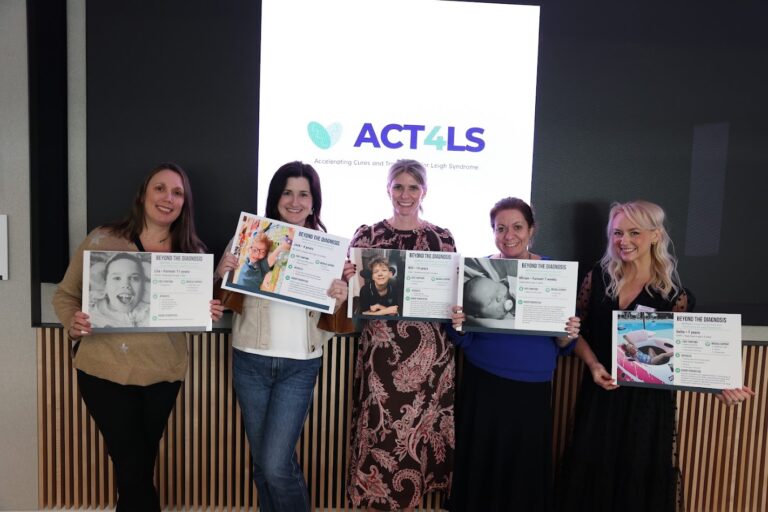
The patient and family perspective was represented by Cure Mito Foundation through Kasey Woleben, Lauren Ashwin, Amanda and Bill Suzor, Emily Andersen, and Sophia Zilber. Their participation helped ensure that the experiences, needs, and priorities of individuals and families affected by Leigh syndrome remained central to discussions about research priorities and treatment development.
A comprehensive white paper, reflecting the discussions and contributions of all workshop participants, will be published in the coming months.
Workshop participants
Cesar Alves (Boston Children’s/Harvard) · Emily Andersen (Cure Mito) · Lauren Ashwin (Cure Mito) · Jon Brestoff (WashU Medicine) · Dario Brunetti (University of Milan) · Matt Demczko (CHOP) · Ibrahim Elsharkawi (Mount Sinai) · Jen Farmer (FARA) · Leora Fox (Scientific Writing Consultant) · Matt Frosch (MGH/Harvard) · Caterina Garone (University of Bologna) · Amy Goldstein (CHOP) · Steven Gray (UT Southwestern) · Andrea Gropman (St. Jude) · Simon Johnson (Northumbria University) · Nicole Lake (Yale) · Qinglan Ling (UMass Chan) · Dima Martini-Drew (Inherited Metabolic Disease Expert) · Maria del Pilar Miranda (MGH/Harvard) · Grant A. Mitchell (University of Montreal/CHU Sainte-Justine) · Vamsi Mootha (Harvard/Broad Institute) · John Patton (FDA) · Alessandro Prigione (University Hospital Düsseldorf) · Shamima Rahman (UCL/Great Ormond Street Hospital) · Rohit Sharma (Mass General Brigham) · Jillian Shaw (Broad Institute) · Eric Shoubridge (McGill) · Amanda and Bill Suzor (Cure Mito) · Melissa Walker (MGH/Harvard) · Kasey Woleben (Cure Mito) · Sophia Zilber (Cure Mito)