
Mitochondrial Disease and the Gut Microbiome
By Dr. Leora Fox on behalf of Cure Mito Foundation
By Dr. Leora Fox on behalf of Cure Mito Foundation
Research into the gut microbiome (the microscopic species that live in the human digestive system) is an emerging area of research in mitochondrial disease. A better understanding of the relationship between the gut health and the nervous system could ultimately help guide treatment decisions and predict outcomes in Leigh syndrome. To this end, Cure Mito is funding Dr. Ibrahim Elsharkawi (Mount Sinai, New York) to conduct a pilot study exploring changes in the gut microbiome in children with different genetic forms of Leigh syndrome. The long-term goal is to understand how having mitochondrial disease alters the gut microbiome, and to leverage this knowledge to identify potential interventions in diet, medication, or other treatments that could improve quality of life.
The “gut microbiome” refers to the trillions of microbes – bacteria, fungi, and viruses – that reside in our digestive system. These organisms participate in many essential biological processes and play a major role in how our bodies break down food, absorb nutrients, regulate the immune system, communicate with distant organs (such as the brain), and handle the biological building blocks needed for growth and repair.
A diverse gut microbiome is important for healthy digestion and nutrient absorption. Having varied microbiota is good for gut health, endocrine health, brain health, and the connection between the digestive and nervous systems, known as the gut-brain axis. The gut microbiome may also influence the immune system and the production of neurotransmitters that support healthy communication between brain cells, including serotonin and dopamine.
An imbalance in the gut microbiome, or a loss of diversity among these organisms, is known as dysbiosis. Dysbiosis has been linked to a range of health conditions, including inflammatory bowel disease, diabetes, heart disease, neurodegenerative disorders, and mental health challenges like depression and anxiety.

Leigh syndrome is caused by genetic changes (mutations) that affect the mitochondria, the “batteries” of the cell. Mitochondria convert the food we eat into the energy needed for the body to breathe, move, and function. Because mitochondria rely on nutrients derived from digestion, the health of the gut may be particularly relevant to mitochondrial disease.
During the process of converting food into energy, mitochondria produce byproducts called reactive oxygen species (ROS). In normal amounts, ROS are a natural part of cellular metabolism. However, when ROS levels become too high, they can damage cells, trigger inflammation, and disrupt metabolic processes. In Leigh syndrome, mitochondria struggle to produce enough energy, and cells may also be more vulnerable to the damaging effects of excess ROS. Researchers suspect that increased ROS may be associated with dysbiosis.
In 2019, researchers at the Children’s Hospital of Philadelphia (Yardeni and Wallace) published an influential study exploring the relationship between mitochondrial ROS and gut microbiome diversity in mice. The researchers studied groups of mice with small genetic differences in their mitochondrial DNA—differences that caused one group to produce relatively low levels of ROS and another group to produce higher levels.
The team also manipulated ROS levels using medications and genetic tools and conducted cross-fostering experiments in which newborn mice were raised by mothers from a different genetic group. From these experiments, they reached several key conclusions:
Later, Eva Morava-Kozicz and colleagues at Mount Sinai studied the gut microbiota of patients with a rare mitochondrial disorder, MELAS. Compared with healthy controls, patients had lower diversity in their gut microbiomes.
This evidence of dysbiosis is important because it can have clinical consequences, including malabsorption, malnutrition, changes in neurotransmitter levels, chronic inflammation, and metabolic conditions such as diabetes and heart disease.
Together, these findings suggest a potential biological link between mitochondrial function and digestive health, opening the door to future strategies aimed at improving mitochondrial health by supporting a more balanced gut microbiome.
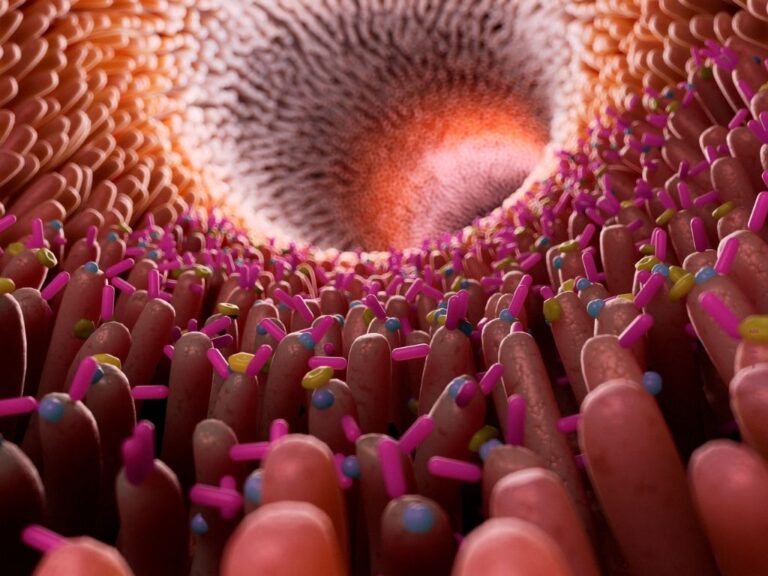
While genetic factors help shape the gut microbiome, they are only part of the picture. Everyday environmental and medical factors can also influence which microbes thrive in the gut and how diverse that ecosystem becomes.
Observations about the genetic and environmental factors that shape the gut microbiome led Dr. Ibrahim Elsharkawi at Mount Sinai to ask several key questions related specifically to Leigh syndrome:
Ultimately, answering these questions could help doctors design interventions tailored to individual patients. For example, targeted changes in diet, medications, or the use of prebiotics or probiotics might improve symptoms or quality of life. But to get there, we first need a deeper understanding of the gut microbiota in Leigh syndrome.

To begin addressing these questions, Cure Mito is providing $34,000 to fund the first study of gut microbiota in children with Leigh syndrome. In September 2025, Dr. Elsharkawi and his team received approval from an Institutional Review Board (IRB), an ethics committee that oversees research involving human participants, and recruitment is now underway.
The study is enrolling participants with Leigh syndrome who carry mutations in the genes ECHS1, SURF1, and MT-ATP6, along with healthy control participants of similar ages and backgrounds. These genes were selected because they are associated with different levels of ROS production – high, medium, and low – and because they represent Leigh syndrome caused by both nuclear DNA (ECHS1 and SURF1) and mitochondrial DNA (MT-ATP6).
Participation begins with a virtual meeting with the research team to review the study and complete consent forms. Families are then asked to provide medical records, including genetic information and relevant clinical data, and to complete a three-day dietary log. Finally, participants provide a stool sample that is mailed to the researchers for microbiome sequencing and analysis. A second stool sample may be requested at least six weeks later, for optimal analysis.
If the child has recently received systemic antibiotics (given by mouth or IV) before consenting to join the study, they will be asked to wait to donate a sample until three months after finishing the antibiotics, as these medications can interfere with results.
Researchers now have well-established tools to measure gut microbiome diversity, and emerging studies suggest there may be meaningful links between mitochondrial function, oxidative stress, and the composition of the gut microbiome. However, there is not yet direct evidence specifically in Leigh syndrome.
This observational pilot study represents a first step toward understanding whether people with Leigh syndrome have distinct microbiome patterns, and how they intersect with genetics, ROS, and symptoms. While the study is not designed to test treatments, it lays the groundwork for future research.
Over time, this line of investigation could help inform more personalized approaches, including dietary strategies, microbiome-targeted therapies, or other lifestyle interventions designed to support overall metabolic health. By launching this pilot effort, Cure Mito is positioning the community at the forefront of a promising and rapidly evolving area of research.
If you are interested in participating in the study, please contact Cure Mito at info@curemito.org.

Further Reading
A 2019 mouse study looked at the relationship between mitochondrial ROS and gut microbiome diversity in mice.
A 2023 study showed that improving protein and fat intake and avoiding malnutrition led to improvements in muscle fatigue, strength, and quality of life in adults and children with different types of mitochondrial disease.
Your donation to The Cure Mito Foundation supports life-changing research, connects families to critical resources, and brings hope to those living with Leigh syndrome and mitochondrial diseases.


Disclaimer: The information provided on this website is for educational and informational purposes only and should not be considered medical advice, diagnosis, or treatment. Always seek the advice of your physician, genetic counselor, or other qualified healthcare provider regarding any medical condition or healthcare decision.