
Mitochondria Transplantation for Renewed Energy
By Dr. Leora Fox on behalf of Cure Mito Foundation
By Dr. Leora Fox on behalf of Cure Mito Foundation
Leigh syndrome is known to affect mitochondria, specialized structures inside of our cells that generate energy. The genetic changes (mutations) that cause Leigh syndrome often affect the complex machinery inside mitochondria, impairing their function. One experimental strategy to help boost energy production is known as mitochondria transplantation, in which healthy mitochondria are introduced into damaged or dysfunctional cells. Cure Mito Foundation is supporting the laboratory of Dr. Jonathan Brestoff at Washington University in St. Louis, USA, to study the potential for this approach for Leigh syndrome.
Mitochondria: the energy powerhouses of the cell
Mitochondria are the cell’s “power plants.” They generate ATP, the molecule that fuels nearly all the action inside of cells. In Leigh syndrome, the mitochondria malfunction due to genetic mutations that affect different parts of the energy production machinery. This means the cells aren’t able to produce enough energy, and that can lead to dysfunction or cell death, driving symptoms common to Leigh syndrome.
How does mitochondria transplantation work?
The idea behind transplanting mitochondria is simple: provide cells with healthy mitochondria to assume the job of the damaged ones. Sometimes the source of the healthy mitochondria can be a patient’s own tissue, while sometimes it’s a healthy donor. Because Leigh syndrome mutations affect every cell within a person’s body, the use of healthy donor cells would be ideal.
Direct mitochondria transplantation involves carefully separating mitochondria from a small donated biopsy, cleaning and concentrating them, then delivering them directly into a patient’s tissue by injection or blood infusion. Ideally, the recipient’s cells absorb the mitochondria, which begin to function inside the patient’s cells, producing ATP and supporting metabolism.
Another indirect way to deliver healthy mitochondria is via a bone marrow transplant. A patient receives a transfusion of healthy, living donor cells, which can repopulate the blood and immune system. They circulate throughout the body, releasing functional mitochondria that are incorporated into sick cells to help them better produce energy.

What is the evidence that this should be explored for Leigh syndrome?
In 2024, Japanese and American researchers, including Jonathan Brestoff (Wash U St. Louis) explored the potential of mitochondria transfer in a mouse model that mimics Leigh syndrome. These mice are missing a gene called Ndufs4, which is an element of the mitochondrial machinery used to produce energy. Mutations in Ndufs4 cause some forms of Leigh syndrome. The Ndufs4 “knockout” mice show problems with energy production and damage from reactive molecules containing oxygen, known as oxidative stress. They have problems with movement and coordination, develop seizures and brain lesions, and don’t usually survive into adulthood.
The researchers tried three different methods for introducing healthy mitochondria into these Ndufs4 Leigh syndrome mouse models: stem cell transplants, direct injection of mitochondria from healthy mice, and direct injection of mitochondria sourced from lab-grown human cells. This led to improvements in the health and lifespan of the mice.
Studying mitochondria transplantation in human cells
In 2025, Cure Mito Foundation partnered with the Brestoff lab to support experiments in human cells, an important next step towards a human therapeutic. Cure Mito has provided $70,000 to date, with an additional $70,000 committed. Members of the lab are currently working with several lines of fibroblasts – human skin cells donated by patients – containing mutations that cause Leigh syndrome. These genes currently include SURF1, ECHS1, C12ORF65, MT-ATP6, and FBXL4.
Each type of cell is grown in a dish, and different methods for delivering healthy mitochondria are tested to determine the most efficient and effective ways to improve their health.
Has mitochondria transplantation worked in people?
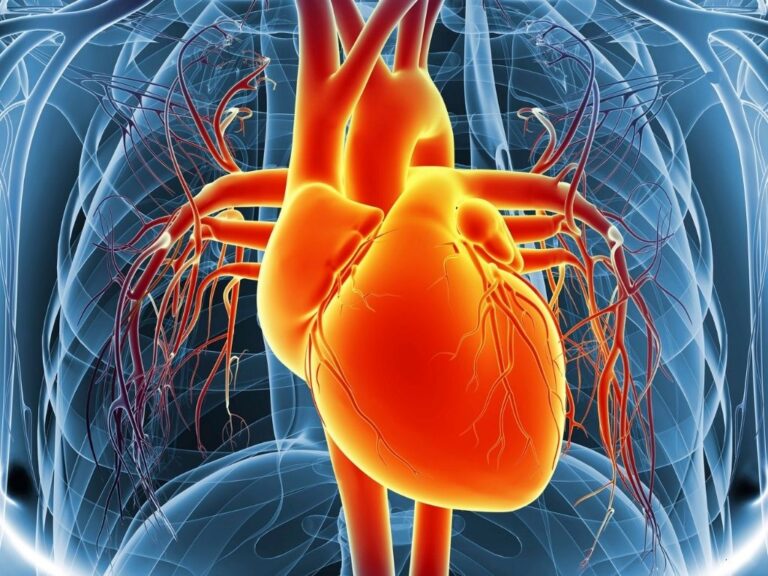
One 2017 study in five children with serious heart damage took healthy mitochondria from each child’s own muscle and injected them directly into the injured heart; four of them were able to come off life support machines after the surgery. This group later did a slightly larger study (24 children) who also showed faster recovery and improvements in heart muscle contractions. It seems that mitochondrial transplantation can help hearts recover after severe injury, but larger trials would be needed to confirm that it works and the best way to do it.
In 2022, another group of researchers developed a method called mitochondrial augmentation therapy (MAT), where patients own blood cells are “boosted” with healthy mitochondria from their mothers. They treated six patients with severe mitochondrial disease, resulting in more healthy mitochondrial DNA in their blood, and some patients showed modest clinical improvements in exercise, weight gain, and quality of life.
Other plans for mitochondrial transplantation include clinical trials for certain types of stroke and heart disease, muscle inflammation, and infertility. These studies may involve isolating mitochondria from the patient’s own healthy cells, or from a donor.
Mitochondria transplantation for Leigh syndrome
It’s important to note that mitochondria transplantation has not been tested in people with Leigh syndrome. It will first take careful laboratory research to determine whether this is possible, and the Brestoff lab is taking steps to work towards that ultimate goal. Exploration of cutting-edge experimental techniques in collaboration with innovative scientists remains a priority for Cure Mito.
Furthermore, the human cell lines established in parallel with this work are now available as a resource to researchers wishing to study Leigh syndrome, helping to eliminate barriers to entry. Brestoff and colleagues are at the forefront of mitochondria transplantation research, coming together to recommend a framework and vocabulary for studying and covering the topic.
These early studies of mitochondria transplantation in Leigh syndrome models will hopefully set the stage for future clinical research, either on a compassionate use basis or in clinical trials.
Further Reading
A 2024 article describes the use of different mitochondria transplantation methods to improve symptoms in the Ndufs4 knockout mouse.
Two small studies (2017 and 2021) explored the benefit of mitochondrial transplants in kids with heart injuries.
A 2023 article provides an overview of mitochondria transplantation as a therapeutic strategy.
A 2025 article presents a recommended framework and vocabulary for describing mitochondria transplantation and related concepts.
A 2022 study boosted stem cell transplants with extra mitochondria and found slight improvements in 6 patients.
Your donation to The Cure Mito Foundation supports life-changing research, connects families to critical resources, and brings hope to those living with Leigh syndrome and mitochondrial diseases.


Disclaimer: The information provided on this website is for educational and informational purposes only and should not be considered medical advice, diagnosis, or treatment. Always seek the advice of your physician, genetic counselor, or other qualified healthcare provider regarding any medical condition or healthcare decision.